
Nexus brings genetics, labs, symptoms, and clinical history into one connected reasoning process, then structures the findings into a personalized plan for your review.
The pieces just don’t arrive together.
The hard part is connecting them.
What might this patient be predisposed to?
What can we measure now?
What is this patient actually experiencing?
Step 1:
Create the patient profile and connect their:
DNA + Labs + Questionnaire + Clinical History
Each tells Nexus something different.

Step 2:
Not every genetic finding matters equally.
Nexus identifies relevant findings from its reference library, then weighs factors including the gene involved, allele position, and known severity.

Step 3:
Nexus looks for biomarkers associated with relevant genetic predispositions and weighs those findings within the patient’s larger biological picture.

Step 4:
Genetics.
Labs.
Symptoms.
History.
Instead of treating each finding as an isolated alert, Nexus builds a combined patient model and examines how the evidence fits together.

Step 5:
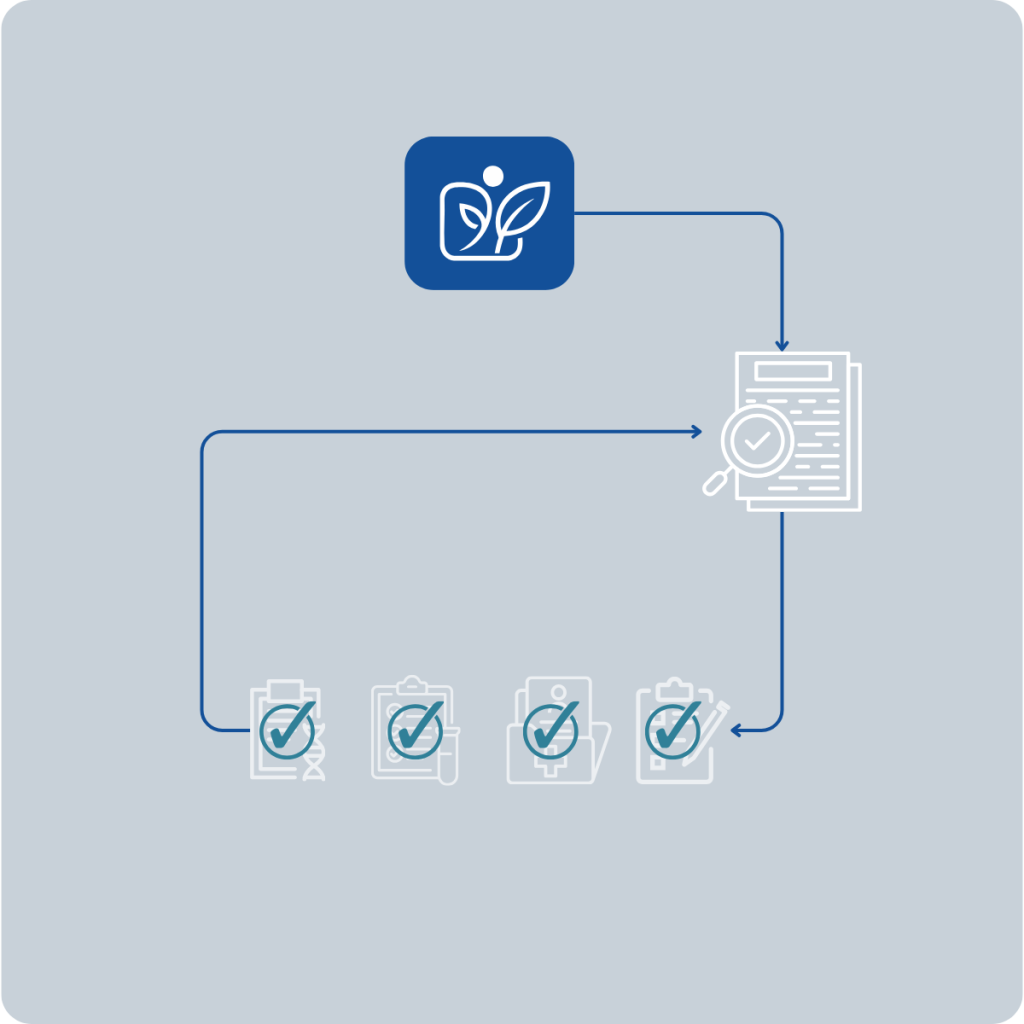
The proposed path is compared back against the patient’s measured laboratory findings.
Does the proposed priority fit the evidence?
Does the sequence make sense against the observed biology?
Can the reasoning be explained?
Step 6:
Nexus organizes the analysis into a structured clinical report.

Gila Valley Premier Care
Pilot Program Clinic
Turn genetics, labs, and clinical context into structured reasoning you can interrogate, modify, and approve.
We process your personal information to measure and improve our sites and service, including to enhance your experiences, to assist our marketing campaigns, and to provide personalized content and advertising. Please visit the preference center to learn more and choose your preferences.
Manage your cookie preferences below:
Essential cookies enable basic functions and are necessary for the proper function of the website.
These cookies are needed for adding comments on this website.
Google reCAPTCHA helps protect websites from spam and abuse by verifying user interactions through challenges.
Google Tag Manager simplifies the management of marketing tags on your website without code changes.
Statistics cookies collect information anonymously. This information helps us understand how visitors use our website.
Google Analytics is a powerful tool that tracks and analyzes website traffic for informed marketing decisions.
Service URL: policies.google.com (opens in a new window)
Marketing cookies are used to follow visitors to websites. The intention is to show ads that are relevant and engaging to the individual user.
Facebook Pixel is a web analytics service that tracks and reports website traffic.
Service URL: www.facebook.com (opens in a new window)
LinkedIn Insight is a web analytics service that tracks and reports website traffic.
Service URL: www.linkedin.com (opens in a new window)
You can find more information in our Cookie Policy and Privacy Policy.